Beyond the Pour: Why Material Traceability and Custom Manufacturing Matter
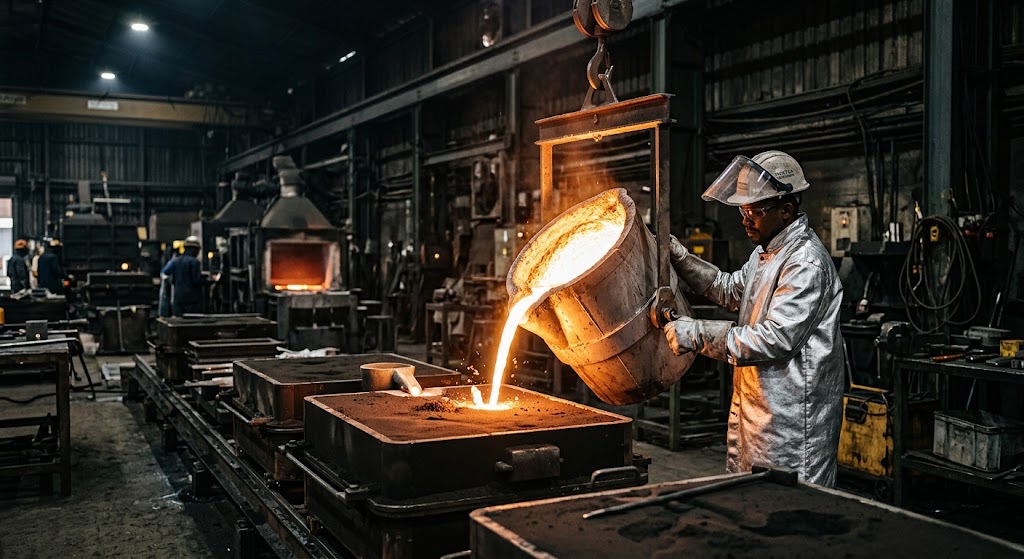
When we talk about foundry work, we often see sparks shooting and molten metal flowing into sand moulds. While that picture is undoubtedly an important element of what we do at Protea Foundry, it only tells half of the story. The actual magic begins before the furnace is even turned on and continues long after the casting has cooled. Over the years, we have discovered that producing dependable sacrificial anodes necessitates a strong commitment to custom production and stringent material traceability.
The Need for Custom Manufacturing
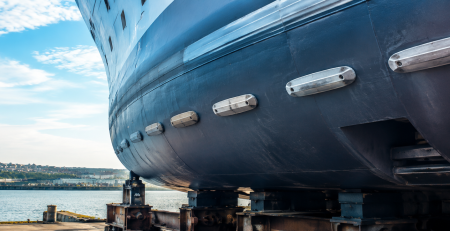
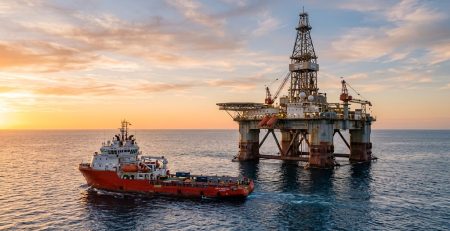
Every project we encounter presents its own set of obstacles. When it comes to sophisticated offshore infrastructure or highly skilled ship maintenance operations, an off-the-shelf option will not suffice. We are frequently approached by contractors who require extremely precise measurements or odd attachment locations to match an existing hull. This is where our unique manufacturing talents really shine.
Whether we are working with your technical drawings or creating a prototype in our own workshop, we manage the entire process internally. We don’t simply pour the metal and hope for the best. Our team oversees the pattern making, casting and final finishing to ensure that the anode meets your exact specifications. It is a tedious process, but it ensures that the finished product will fit perfectly into your cathodic protection system.
The Critical Role of CNC Machining
In fact, raw castings are rarely ready for immediate installation. To make things just right, we rely largely on our in-house CNC machining expertise. After the aluminium or zinc has cooled, the anodes frequently require precision drilling, tapping and surface polishing.
By keeping the machining process in-house, we have complete control over the final tolerances. It also means we can respond fast if a client wants an unexpected design change. We want our anodes to leave the workshop totally installation-ready, saving important time for teams working in shipyards or on offshore rigs.
Why Material Traceability Changes Everything
The documentation is perhaps the most ignored portion of foundry work, despite its importance. When an anode is linked to a deep-sea pipeline, total confirmation of the alloy composition is required. We conduct comprehensive in-house testing on every batch we generate. We use modern spectrometer composition checks to ensure that the metal fulfils tight industrial standards before it leaves our facility.
We take great satisfaction in our material traceability. Every casting is linked to complete manufacturing records and batch information, from the moment the raw ingredients arrive until the finished product is shipped. If a project engineer has a query about a certain component months later, we can identify its exact origins and ensure its quality. It provides our clients with complete peace of mind while working in uncertain marine conditions.
Partnership for Long-Term Success
In this industry, confidence is based on reliability and verified facts. We have spent decades improving our procedures to ensure that the local maritime sector has items on which it can rely. If you are looking for a partner who loves precision as much as you do, we would love to talk.