MARINE CORROSION PROTECTION: WHY SACRIFICIAL ANODES MATTER IN 2026
Marine corrosion protection is becoming more important as global shipping, port infrastructure and offshore operations face increasing pressure. Longer shipping routes, ageing harbour assets, stricter maintenance requirements and the demand for more reliable marine infrastructure have made corrosion control a key part of asset protection.
For vessels, ports, shipyards and offshore operators, corrosion is not only a surface issue. It can weaken steel structures, increase maintenance costs, shorten service life and affect operational safety. This is why sacrificial anodes remain one of the most practical and effective methods of protecting metal assets exposed to seawater.
What Is Marine Corrosion Protection?
Marine corrosion protection refers to the systems and materials used to protect steel and other metals from corrosion in seawater environments. Salt water, oxygen, movement, temperature changes and constant exposure create ideal conditions for corrosion to develop.
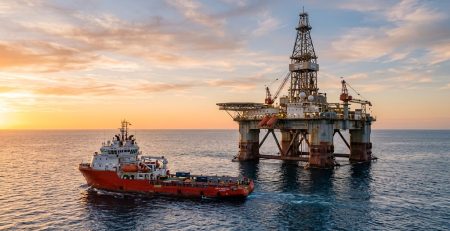
Without protection, ship hulls, ballast tanks, pipelines, jetties, harbour structures, pontoons and offshore platforms can deteriorate faster than expected. Over time, this can lead to costly repairs, downtime and structural damage.
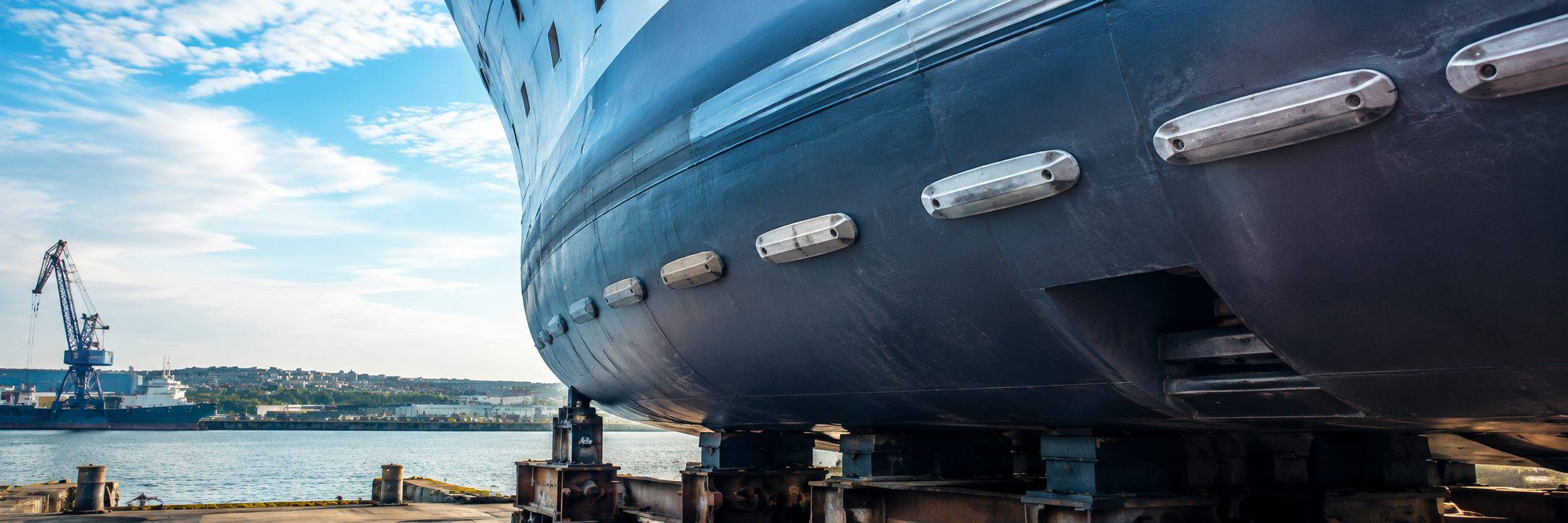
Sacrificial anodes help reduce this risk through cathodic protection. The anode is designed to corrode instead of the protected structure. In simple terms, the sacrificial anode takes on the corrosion so that the vessel or structure lasts longer.
Why Sacrificial Anodes Are Important for Vessels and Marine Structures
Sacrificial anodes are widely used across the marine industry because they are reliable, proven and suitable for harsh seawater conditions. They are fitted to assets such as ship hulls, tanks, pipelines, offshore platforms and harbour equipment to help protect submerged or exposed metal components.
Aluminium anodes are commonly used in seawater applications because they offer strong electrochemical performance and are lightweight compared to some alternatives. Zinc anodes are also widely used in marine environments, particularly where specific protection requirements or operating conditions call for them.
The correct anode type, size, alloy and installation method all matter. A poorly matched anode may not provide the required level of protection, while a correctly specified sacrificial anode can support longer asset life and better maintenance planning.
Corrosion Protection in a Changing Marine Industry
The marine industry is changing quickly. Global shipping disruptions have forced many vessels to spend longer periods at sea. Ports are under pressure to improve efficiency and infrastructure reliability. Offshore assets must continue operating safely in demanding conditions.
These changes make planned corrosion protection more important. For shipowners, shipyards and marine engineers, preventing corrosion is usually more cost-effective than repairing damage after it has already occurred.
In port and harbour environments, corrosion protection also supports infrastructure resilience. Steel piles, quay structures, pipelines, loading systems and submerged components all need protection if they are expected to perform over the long term.
Protea Foundry’s Role in Marine Anode Manufacturing
Protea Foundry is a specialist sacrificial anode foundry based in Salt River, Cape Town. With a history dating back to 1948, the company manufactures aluminium and zinc anodes for marine, offshore and industrial applications.
Protea Foundry supplies a range of sacrificial anodes, including weld-on anodes, bolt-on anodes and custom-manufactured anodes. These products are used across ship repair, offshore oil and gas, marine infrastructure, ports, harbours and other seawater-exposed environments.
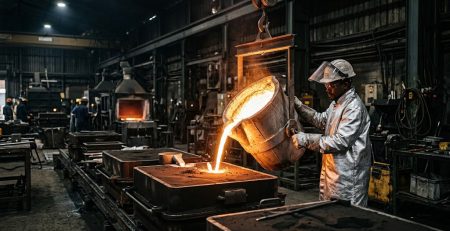
The company’s capabilities include casting, machining, finishing, custom steel core configurations, quality control, certification and traceability. This allows each anode to be manufactured according to the requirements of the project, vessel or structure.
Choosing the Right Sacrificial Anode
Choosing the right sacrificial anode depends on the asset, environment and protection requirements. Important factors include the type of metal being protected, seawater exposure, current demand, design life, mounting method and required documentation.
Protea Foundry works with customers who need practical, project-specific anode solutions for real marine conditions. From standard aluminium and zinc anodes to custom castings, the focus is on reliable corrosion protection that supports long-term asset performance.
Protecting Marine Assets for the Long Term
Marine corrosion protection is essential for keeping vessels, offshore structures and harbour infrastructure safe, reliable and cost-effective. As the marine industry faces longer operating cycles and greater infrastructure demands, sacrificial anodes remain a critical part of planned protection.
Protea Foundry provides locally manufactured sacrificial anodes for marine and offshore applications, helping customers protect valuable assets in some of the harshest operating environments.