Mastering the Art of Non-Ferrous Casting for Extreme Marine Environments
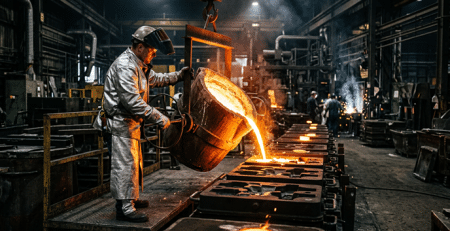
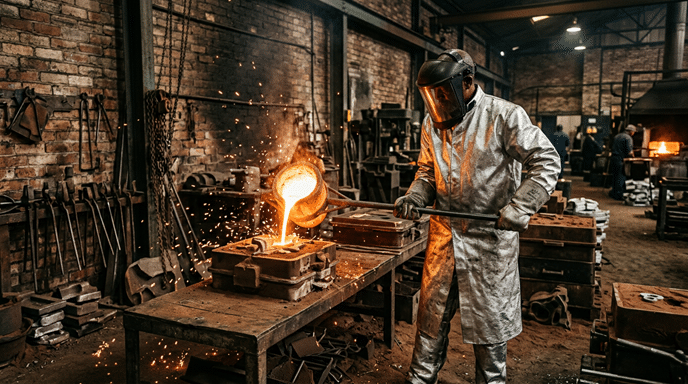
You see the destructive power of the ocean every single day when you work in a Cape Town foundry. When non-ferrous metals are cast for sacrificial anodes or custom-engineered parts, those components are going straight into one of the harshest environments on earth. Saltwater is unforgiving and inferior castings just would not last beneath the waves. Manufacturing excellence is fundamentally about understanding and managing every stage of the process from pattern design to dispatch, all within a single facility.
Why Quality control begins before the melt
Many people outside the industry think that casting is just a matter of melting metal and pouring it into a mould. In fact, accuracy begins long before the boiler reaches operating temperature. The spectrometer composition checks are important in preparing an alloy for marine applications. A microscopic impurity in a batch of zinc or aluminium can affect the electrochemical performance of the final product and cause premature passivation.
Engineering reliability is a whole lot more than simply shaping metal. Every melt has to be checked carefully, whether it is a standard bolt-on anode for a harbour wall or a custom-machined component for an offshore oil rig. Workshops that have complete in-house control of testing and traceability of materials can spot potential flaws early and retain full responsibility for every item that leaves the workshop floor.
How Old-Time Foundry Work Relates to Modern Machining
Wonderful harmony exists in the foundry sector. Foundries employ simple, time-tested methods but mix them seamlessly with modern computer numerical control machining. A casting may require precision drilling, tapping and surface finishing after cooling so that it arrives at the shipyard ready for installation.
Polished, precision-engineered components from rough castings. Careful processing. The managers of shipyards and marine engineers have tremendous pressure of dry-dock schedules being tight. They cannot afford to spend time fixing poorly finished parts on site. By ensuring that the machining and finishing processes meet the stringent standards of foundry work, clients can maintain the smooth operation of maritime activities.
Design for the Working Ocean
Good intentions are not sufficient to protect commercial vessels, port infrastructure and subsea pipelines. It requires an enduring commitment to quality control and a refusal to take shortcuts. Since the late 1940s, established foundries like Protea Foundry have been trusted partners to the maritime industry throughout the Southern Hemisphere. Aluminium anodes and zinc components quietly give their lives to defend vital steel assets from damaging galvanic corrosion in the industry today.
The sea will always try the maritime metal but with stringent testing, batch identification and expert craftsmanship, operations are well positioned to meet the challenge. The components are built with hardware specifically designed for the working ocean, guaranteeing long-term durability if poured correctly and certified honestly.