Guarding the Deep: Choosing the Right Cathodic Protection for Marine Environments
When we look out over Cape Town’s busy harbours, we see more than just ships and docks. We watch an ongoing, silent war against corrosion taking place directly beneath the surface. The ocean is unrelenting and any exposed steel it meets will slowly corrode. Trying to keep up with Mother Nature can be a bit of a juggling act. This is precisely why we take our job at Protea Foundry so seriously. Since our doors opened in 1948, we have dedicated ourselves to perfecting cathodic protection to protect vessels and enormous offshore buildings from the hostile marine environment.
Understanding Cathodic Protection Systems
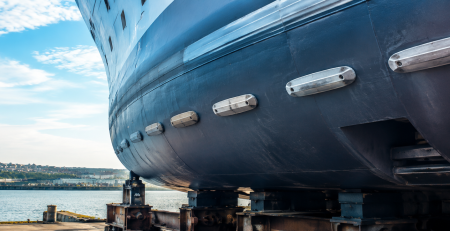
You might be wondering how we stop rust before it starts. The secret is contained in sacrificial anodes. These are specially cast metals intended to corrode in place of your critical marine infrastructure. The anode sacrifices itself by pulling corrosive elements away from the structural steel, allowing the ship’s hull or essential conduit to survive. It appears simple on paper, but determining the chemical composition is a highly sophisticated and hard process. We have spent decades perfecting our pouring and casting techniques to ensure that every anode functions exactly as expected.
Choosing Between Aluminium and Zinc Options
One of the most common enquiries we receive from local shipyard managers and offshore contractors is whether to use zinc anodes or aluminium anodes. The truth is that both materials serve quite different functions depending on the specific marine environment in which you are operating.
Zinc has long been a popular supplement and for good reason. It is extremely dependable in brackish water and is frequently the recommended specification for ballast tanks or older harbour equipment. We cast heavy-duty zinc components that meet high military criteria, assuring their durability under the most extreme conditions.
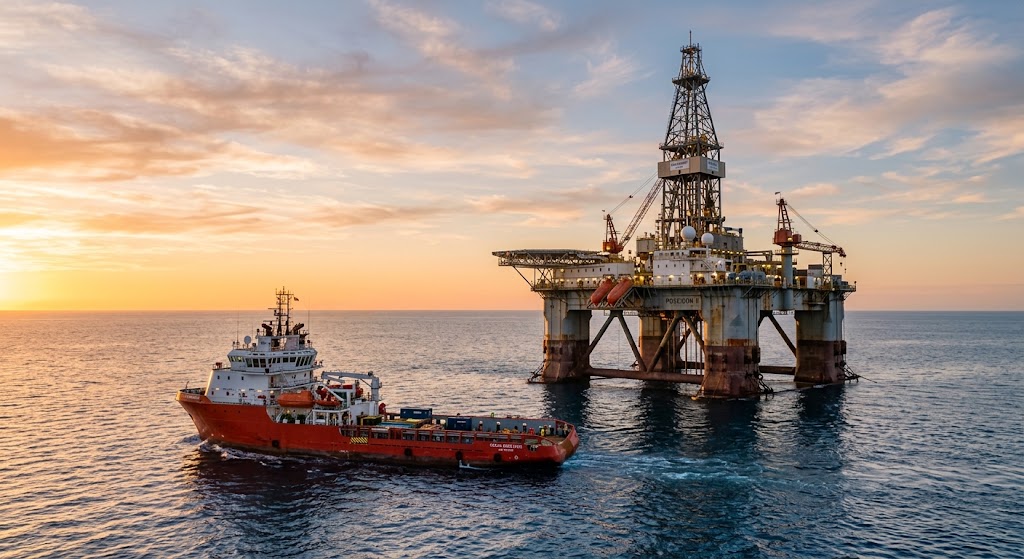
Aluminium anodes, on the other hand, have grown in popularity for use on offshore oil rigs and bigger seagoing vessels. Aluminium has a substantially lower density yet provides significantly more long-term protection. This means you may get the same amount of cathodic protection while carrying significantly less weight, which is a significant operational advantage for outfitting large-scale offshore projects. We provide custom manufacturing services for both varieties in our local factory, adapting the alloys to meet the precise needs of your project.
Designed for the Demanding Working Ocean
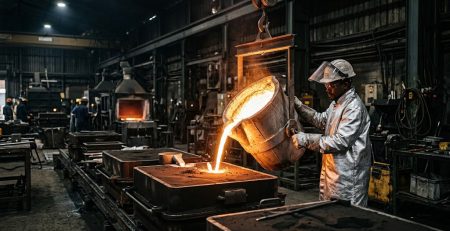
We have learned from experience that theoretical performance means nothing if the product fails once in the water. That is why our staff monitors every stage of the manufacturing process. From the initial pattern creation to the final molten pour, everything takes place in our Cape Town foundry. The marine sector just does not provide the luxury of second chances. If a cathodic protection system fails, the structural damage might cost millions of dollars to fix, causing severe operational delays. We take this enormous responsibility seriously. Our unwavering commitment to quality ensures that our goods can withstand the harsh operating conditions of the ocean.
Take the Next Critical Step
Protecting your precious offshore assets demands a manufacturing partner who understands both the complicated science of corrosion and the practicality of maritime engineering. Whether you are outfitting a small commercial fishing fleet or upgrading the defences on a large offshore rig, having the correct technical guidance makes all the difference.